
The federal government has been targeting noncitizen faculty by arresting, detaining, and deporting them in retaliation for their pro-Palestinian activism.
You may remember the government’s attempt to deport Mahmoud Khalil, a leader of protests at Columbia University. Actions like these have chilled the speech of noncitizen students and faculty on campuses across the country. In the face of government retaliation due to their speech, some have pulled out of academic conferences, stayed home from protests, and withdrawn from other forms of public advocacy and engagement.
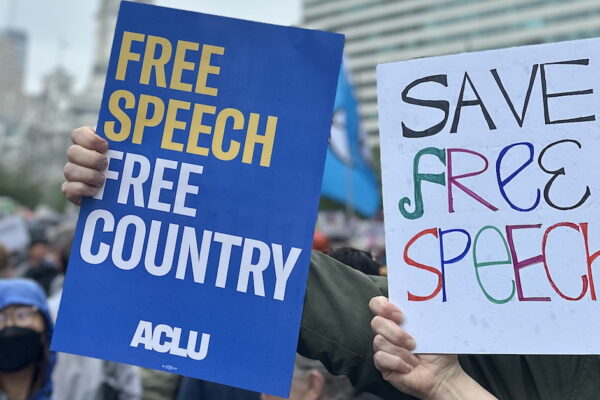
This is a blatant violation of their First Amendment rights to freedom of speech and assembly. And it is fundamental to free speech, free thought, and societal advancement that teachers and students remain free to ask questions, debate, study, and present their views without restriction, intimidation, or retaliation.
Faculty organizations sued, and a federal district court ruled that the government’s viewpoint-based targeting was unconstitutional. But the court’s proposed remedy didn’t fully address the problem. In fact, it could create another chilling effect on free speech.
Here’s what happened: Instead of blocking the federal government from targeting noncitizens for their political activism across the board, the court ordered a more limited remedy that would protect only members of certain organizations. Under that approach, those organizations would then have to turn over their membership lists to the government so they could defend themselves against the Trump administration.
If joining an organization means your name could be handed over to the government, would you still join? Would you attend a protest, donate, sign a petition, or speak at a meeting?
When people are afraid to speak, organize, or participate, everyone’s First Amendment rights suffer. A legal remedy designed to protect free speech should not create a new reason for people to be afraid to exercise it. Knowing that their participation could be disclosed to the government may cause people to self-censor, refrain from joining organizations, or avoid donating, protesting, and speaking out. That undermines the privacy essential to free association and can silence protected speech before it even begins.
That’s why the ACLU of Maine and all ACLU affiliates in the First Circuit filed a friend-of-the-court brief arguing that the policy should be blocked universally, ensuring that all members of the organizations challenging the policy are protected from viewpoint-based targeting without having to disclose membership lists.
Read more about the case below.
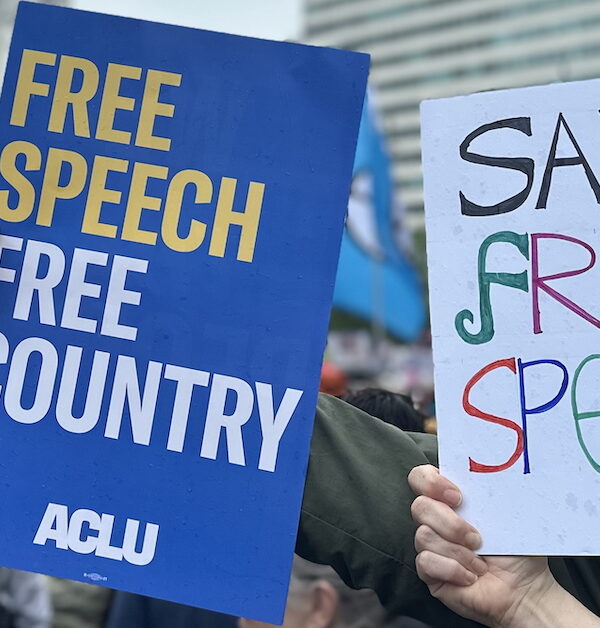
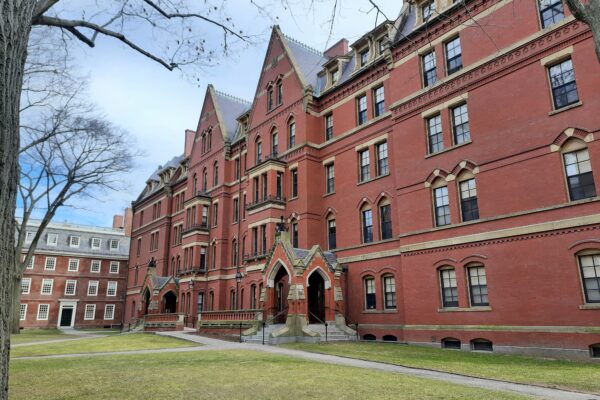
We're also defending academic freedom from unlawful threats to revoke federal funding. The federal government threatened to withhold billions of dollars in research funding from Harvard University after the school refused to adopt the government’s preferred ideological approach to who it admits to study, who it employs to teach, and what classes and other programs it offers.
This is retaliation, coercion, and ideological bullying in violation of the First Amendment.