
When Immigration Agents Board Buses in Maine
Last updated: August 28, 2026 01:41 pm
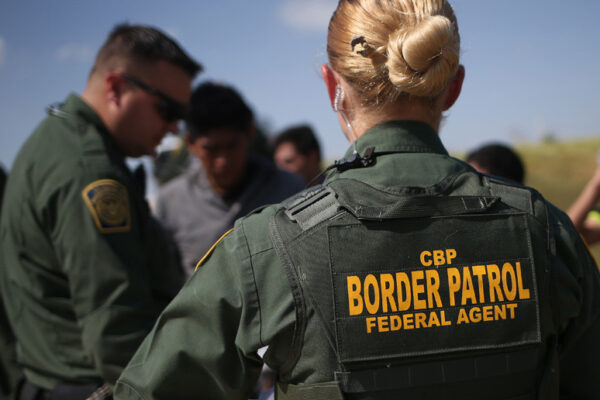
The government has asserted that U.S. Customs and Border Protection (CBP) officers may operate immigration checkpoints anywhere within 100 miles of the external boundary of the United States.
With its 600 miles of border shared with Canada, Maine is a hotspot for these types of checkpoints.
Customs and Border Protection (CBP) officers routinely board passenger buses without warrants, questioning passengers about their citizenship and travel plans. In many cases, agents will demand to see passengers’ “documents.” The ACLU argues that these warrantless raids are a blatant disregard of passengers’ constitutional rights. We also assert that cooperation between bus operators and CBP is not required; in accordance with court decisions stemming from the Fourth Amendment, bus companies may deny CBP permission to interrogate passengers aboard a bus without a warrant or probable cause.
However, many bus operators still allow agents to board their buses and harass passengers. If this happens to you, know that you have rights.
Related Issues
Related Content
Know Your Rights: Video Series for Interacting with Immigration Agents
CBP Enforcement in the 100-Mile Border Zone (All of Maine)

Stay Informed
Sign up to be the first to hear about how to take action.
By completing this form, I agree to receive occasional emails per the terms of the ACLU’s privacy statement.
By completing this form, I agree to receive occasional emails per the terms of the ACLU’s privacy statement.