Cutting v. Portland - Free Speech

  • Filed: Sep 25, 2013
  • Status: Victory
  • Court: U.S. Court of Appeals for the First Circuit
  • Latest Update: Sep 11, 2015
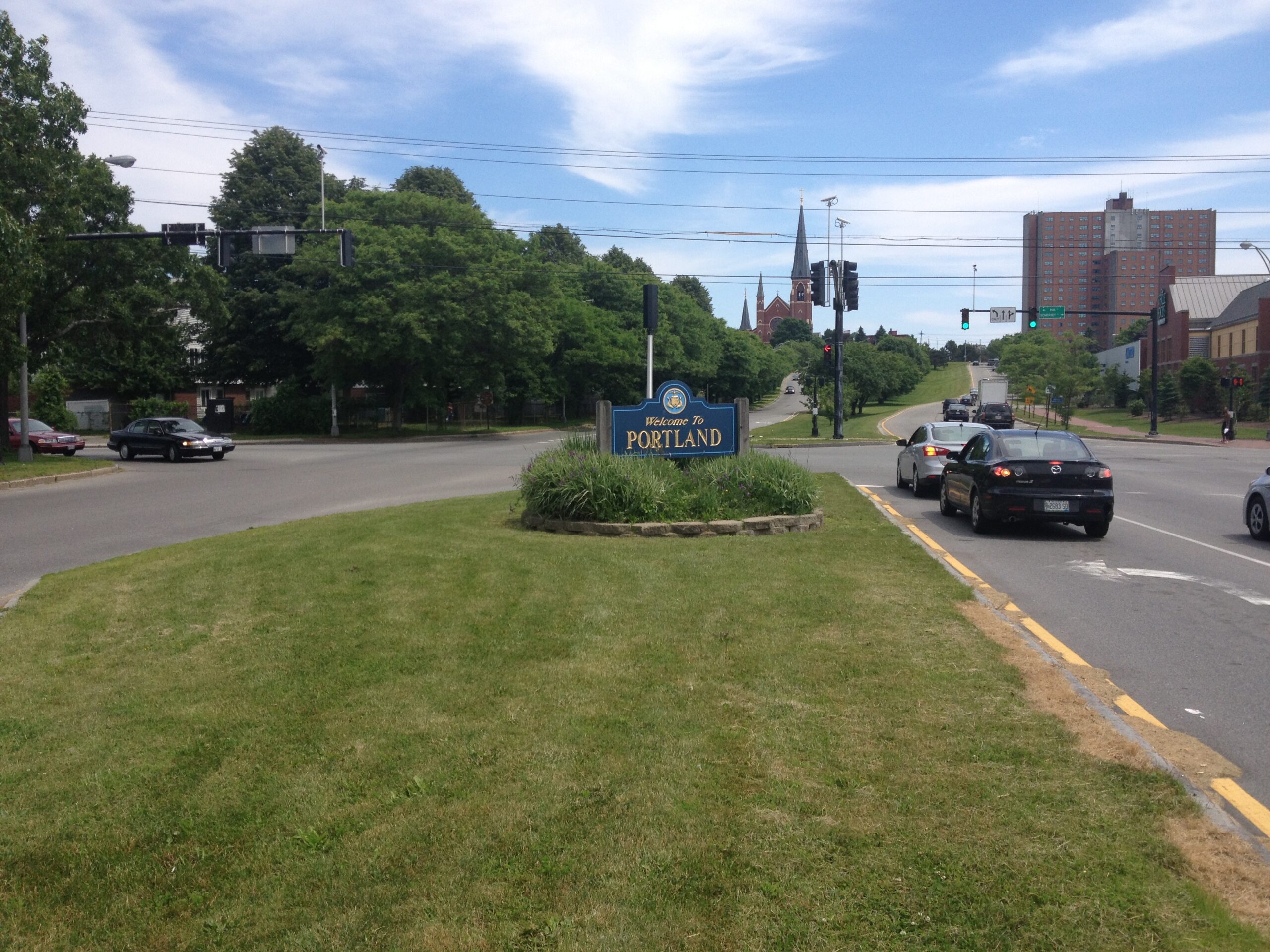
Street median with City of Portland sign

Summary


We sued the City of Portland for restricting constitutionally protected free speech by banning people from expressing themselves on public medians. A federal appeals court struck down the ban in a major victory for free speech.

Portland adopted an ordinance banning people from medians and presented it as an effort to protect public safety. In reality, it prohibited a significant amount of peaceful, non-threatening, constitutionally protected speech. The First Amendment protects your right to be in these public forums – whether you’re there to protest a war, support a candidate for office, raise funds for a charity, ask for money for yourself, or express yourself in other ways.

The City of Portland – and the government more broadly –should never be in the business of telling people where they can and cannot exercise their constitutional rights, and it should certainly not ban speech in an area that has traditionally been used as a forum for public dialogue.

Lawsuit Defending First Amendment Rights

The ACLU of Maine and law firm Goodwin Procter filed the lawsuit in the U.S. District Court for the District of Maine on behalf of Michael W. Cutting, Wells Staley-Mays, and Alison E. Prior. They are Portland residents who regularly engage in protected speech in areas defined as medians by the ordinance. Mr. Cutting and Mr. Staley-Mays are political activists who have long stood in medians holding signs expressing their political opinions. Ms. Prior is homeless and has stood in medians soliciting donations to buy food.

The ordinance prohibited standing, sitting, and staying in medians except to cross the street. It defined a median as any “paved or planted area of public right-of-way, dividing a street or highway into lanes according to the direction of travel.” We argued that the ban was unconstitutionally overbroad and restricted the plaintiffs’ constitutionally protected speech, violating the First and Fourteen Amendments to the U.S. Constitution and Article I of the Maine Constitution.

In October 2013, the city and the ACLU of Maine agreed to an expedited one-day trial that took place on November 19. In light of the expedited trial schedule, the city agreed to not issue citations or fines or issue new criminal trespass orders under the median ban pending the outcome of the trial, except for individuals openly and obviously impaired by drugs or alcohol and posing a threat to traffic.

Victory in Federal Courts

The district court ruled that the Portland ordinance was unconstitutional on February 12, 2024. The city argued the ordinance was necessary to protect the safety of pedestrians and drivers. While the court agreed that protecting public safety is very important, it rejected the city’s argument that this ordinance was necessary to accomplish that goal.

The city appealed the ruling to the U.S. Court of Appeals for the First Circuit. On September 11, 2015, the appeals court upheld our trial court victory striking down the ban. This was a major victory for free speech in Maine, for all states within the First Circuit, and for people in the many cities throughout the country imposing or considering similar restrictive ordinances. More and more cities and towns are using ordinances like the median ban to try to keep activists and unhoused people out of public view. This decision makes clear that all people have free speech rights that cannot be infringed, and that the government has no right to disappear or silence people with whom it disagrees.

Case Number:
U.S. District Court for the District of Maine Docket No. 2:13-cv-359-GZS, U.S. Court of Appeals for the First Circuit Docket No. 14-1421
Pro Bono Firm:
Goodwin Procter

Learn More About the Issues in This Case