
Maine House Passes Landmark Privacy Bill
February 10, 2026 1:00 pm
Spokesperson

Media Contact
AUGUSTA – The Maine House of Representatives today passed LD 1822, a bill to support Fourth Amendment rights and protect personal data by limiting sweeping digital surveillance.
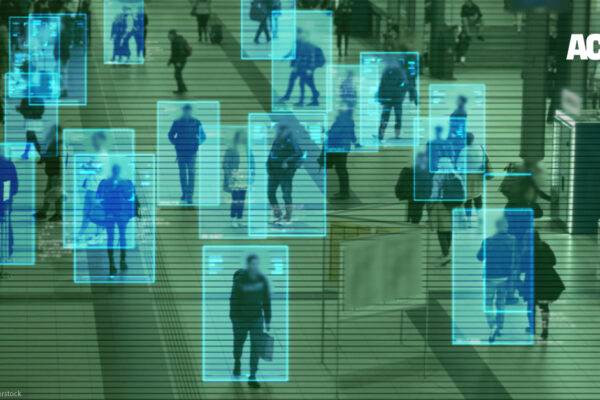
Private companies routinely collect massive amounts of data about people’s everyday activities. That data is then sold to anyone willing to pay, including the government. For instance, in January 2026, the ACLU published documents obtained from the Department of Homeland Security (DHS) showing the agency circumvented the Fourth Amendment. DHS purchased highly sensitive location data harvested from cell phones that enabled the government to track people’s movements over time – all without a warrant.
"The world's largest tech companies gather, sell, analyze, and exploit our most personal data for financial gain,” said ACLU of Maine Executive Director Molly Curren Rowles. “This surveillance-driven economy intrudes into our private lives and allows even the government to spy on us without our knowledge or consent. This reduces our freedom and safety, and threatens our democracy.”
“Data privacy isn’t about secrecy,” continued Curren Rowles. “It’s about control. Currently, our most personal information is available to the highest bidder. Personal data can be used to track people at protests, political rallies, places of worship, and family planning clinics. Maine lawmakers have a legacy of leading the nation in privacy protection, and we urge the Maine State Senate to continue that tradition by passing this crucial legislation.”
LD 1822 would protect Maine residents in four key ways:
- Limiting Data Collection and Storage: Tracking systems are built into nearly every website and app, collecting information about your every click, search, and action across the web, across apps, and across devices. “Data minimization” requirements in LD 1822 would allow companies to collect only the information necessary to provide a good or service.
- Protecting Civil Rights: Tech giants are increasingly feeding our data to algorithms to make automated decisions about hiring, school admissions, offering loans, and more. This brings discrimination into the digital age. LD 1822 would ensure technology is not used to discriminate.
- Safeguarding Biometrics: People must be able to protect their most sensitive information. When hackers steal your fingerprint, it cannot be reset like a password or replaced like a credit card. This type of theft cannot be undone, creating a lifelong security risk. LD 1822 would prohibit companies from collecting biometrics unless it is necessary to provide the requested good or service.
- Bolstering the Fourth Amendment: As the federal government pushes to expand its power outside Constitutional bounds, our Fourth Amendment rights are more important than ever. Government tracking and surveillance threaten our most basic freedoms and the Bill of Rights.
Related Content
Legislature Considering Bill to Protect Mainers’ Privacy, Empower Consumers

2025 Legislative Report: Building a Firewall for Freedom in Maine

Maine Lawmakers Must Protect Digital Privacy, Resist Big Tech Exploitation of Personal Information
Many States Get Failing Grade on Data Privacy, Maine Lawmakers Could Earn an A
Stay Informed
Sign up to be the first to hear about how to take action.
By completing this form, I agree to receive occasional emails per the terms of the ACLU’s privacy statement.
By completing this form, I agree to receive occasional emails per the terms of the ACLU’s privacy statement.