
News & Commentary
May 19, 2020
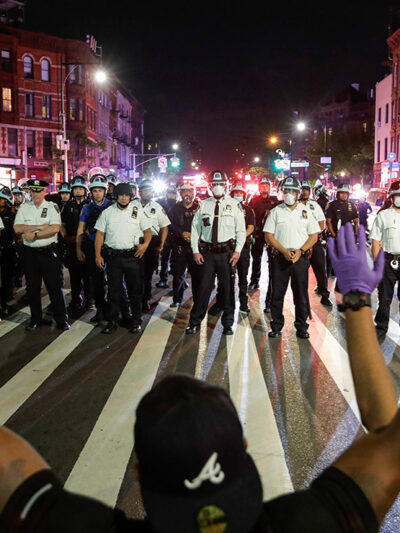
Testimony on School Resources Officers
Testimony to the Portland Board of Education by Zachary Heiden, Legal Director, ACLU of Maine
We urge you to reject funding for police officers in Portland schools and put those resources where they are truly needed – into mental health resources for your students who desperately need them.

Apr 02, 2020
Editorial: Shrink Maine’s prison population to fight COVID
The following appeared on the Portland Press Herald editorial page:
Apr 01, 2020
The Added Importance of the Census, in Light of COVID-19
By Steven K. Choi, Executive Director, New York Immigration Coalition
Mar 23, 2020
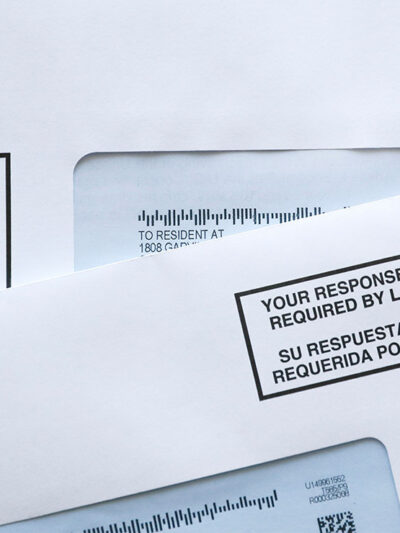
This is No Time to Play Politics with our Democracy
To ensure elections proceed and eligible Americans can vote, any federal legislative package addressing the impact of COVID-19 on our elections must include an immediate, substantial infusion of federal funding and federal requirements for no-excuse mail-in absentee voting and early in-person voting. While the coronavirus pandemic should not be a political issue, with presidential primaries and the general election coming up, it could soon directly impact our politics. It is simply not an option for Congress to fail to act on these basic issues to protect American elections while the pandemic is ongoing. For many, the safest way to vote will be to vote by mail. However, there are approximately 17 states that currently do not allow no-excuse absentee voting by mail. In almost all cases, this absentee voting limitation is codified in state law and in some cases within the states’ constitutions, making it very difficult, if not impossible, to expand the ability to vote by mail in time to help reduce the impact of COVID-19. This is especially true in light of the inability of legislatures to convene at all, given the pandemic. For example, in Texas it is only possible to vote by mail if you are over 65, disabled, will be out of the United States on Election Day and during the early vote period, or are confined to jail but otherwise still eligible to vote. The language about being disabled is further restrictive — the voter must have “a sickness or physical condition that prevents the voter from appearing at the polling place on election day.” Arguably, this language would permit only individuals actually sick with the coronavirus to vote by mail. All these restrictions are set in Texas law, and given that Texas’ legislature isn’t scheduled to meet in 2020, these laws would be very difficult to modify in time for upcoming elections. During the current pandemic, it is nearly impossible to imagine how the Texas legislature can efficiently and safely convene an emergency legislative session. For other states, the limitations on absentee voting are set within the state constitutions, making the process for changes even more cumbersome. For example, in Massachusetts, current law only allows voters to cast absentee ballots by mail if they are out of town or unable to get to the polls because of a physical disability or religious restrictions. To change this may require an amendment to the state constitution, which must pass two successive legislatures and be approved by the voters through a ballot initiative — making it an impossible change before the 2020 general election. Texas and Massachusetts are just two prime examples of why a federal mandate is necessary — to guarantee states can overcome hurdles posed by COVID-19, institute the necessary changes, and do so rapidly. Congress must act swiftly and aggressively so state and local election officials can begin preparing now to address these challenges. And without considerable and immediate funding from Congress — the ACLU has recommended $3 billion — a federal mandate alone will not be enough to achieve no-excuse absentee mail-in voting or an extended early vote period in time for this election. In order to safeguard our health and our democracy, there is no time to wait to save our elections. No one should have to choose between protecting their health and exercising their right to vote.
Mar 18, 2020
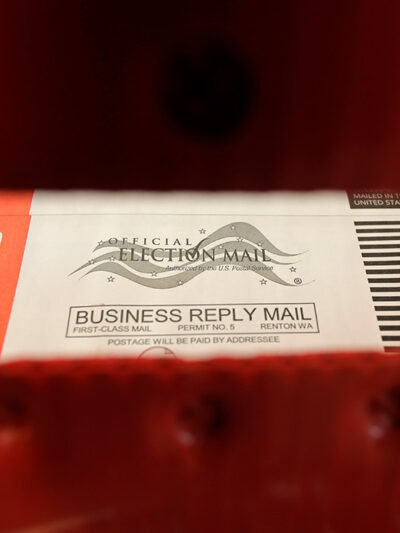
Police, Prosecutors, Sheriffs, Parole Officers, and Governors can Help Stop the Spread of COVID-19 — Here’s How
Udi Ofer, Former Director, Justice Division, ACLU National Political and Advocacy Department
As C

Mar 02, 2020
Can We Trust the Government to Respond to the Coronavirus in a Fair and Effective Manner?
Jay Stanley, Senior Policy Analyst, ACLU Speech, Privacy, and Technology Project
A gr

Mar 02, 2020
Presidential Primaries 101
This week, Super Tuesday sweeps the nation as 14 states gather to vote for their favorite candidates. And—for the first time in 20 years—Maine is holding a presidential primary.
By Makena Bauss
Feb 28, 2020
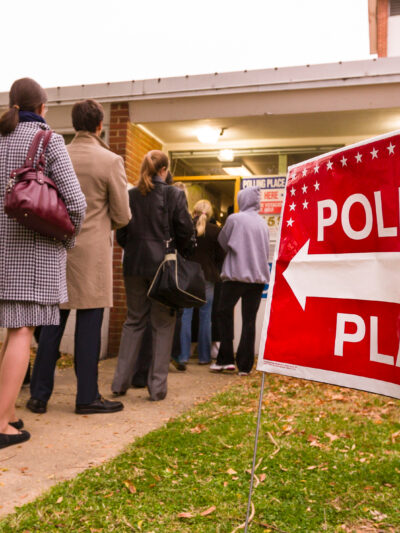
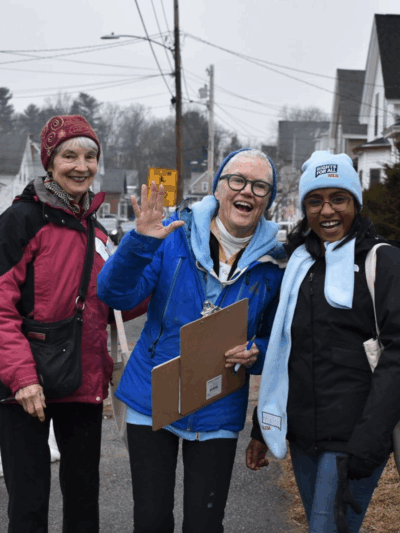
Knock the Vote: ACLU of Maine joins Other Affiliates for NH Day of Action
Presidential primaries are in full swing, and volunteers have been asking candidates where they stand on key civil liberties issues. ACLU volunteers across the Northeast headed to New Hampshire to make sure people prioritize civil liberties when choosing a candidate.
By Dhivya Singaram
Stay Informed
Sign up to be the first to hear about how to take action.
By completing this form, I agree to receive occasional emails per the terms of the ACLU’s privacy statement.
By completing this form, I agree to receive occasional emails per the terms of the ACLU’s privacy statement.